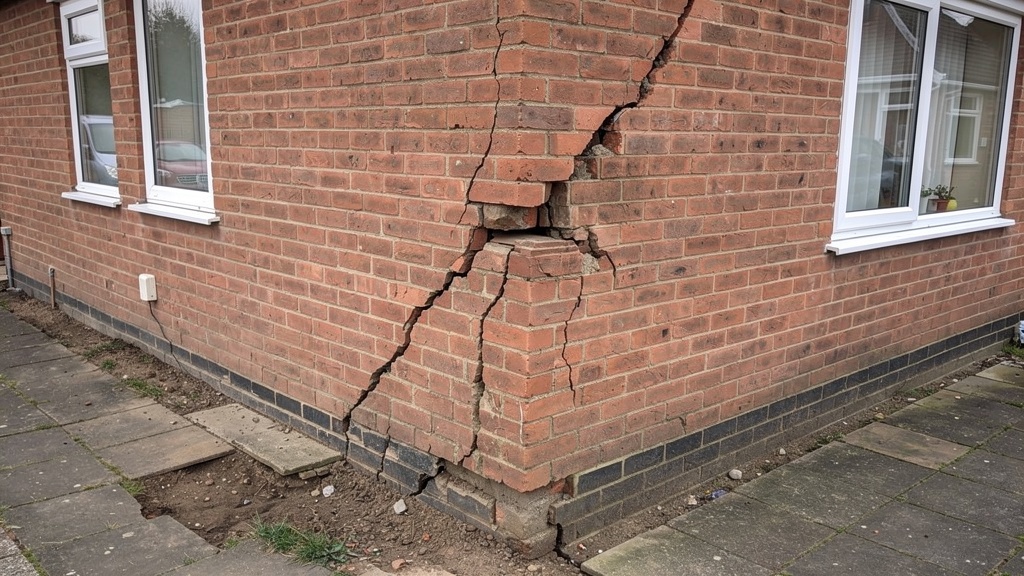
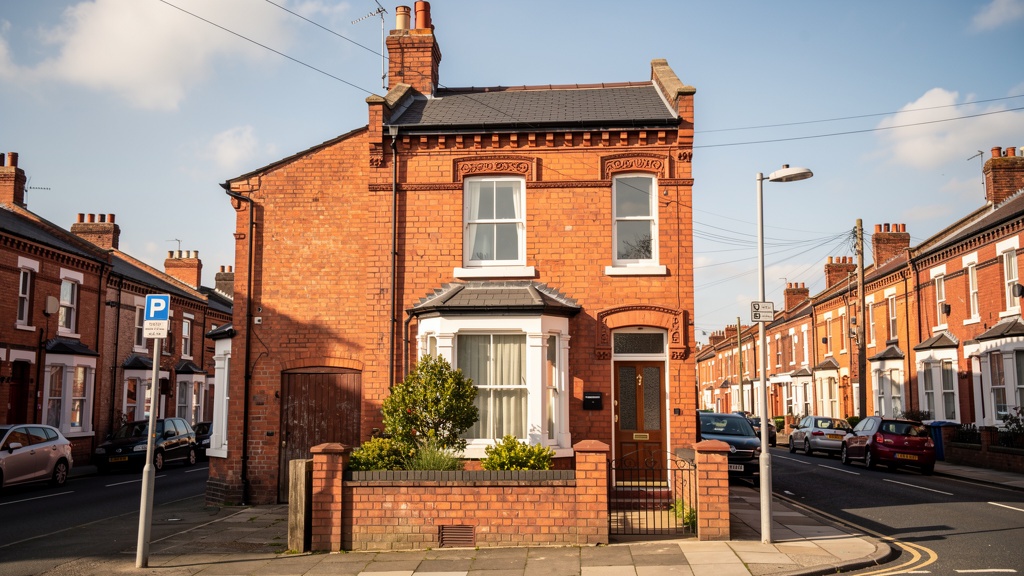
Damp is one of the most frequently flagged issues in property surveys across Coventry and the wider Warwickshire area — and it's also one of the most misunderstood. As a residential surveyor who has inspected hundreds of properties in the region, I've seen the full spectrum: from condensation that needs nothing more than a bathroom extractor fan, to serious penetrating damp that requires £8,000 of remediation works before anyone should move in.
The good news? Understanding the different types of damp — and what they mean for your Coventry property purchase — is not that complicated. Let me break it down.
The Three Main Types of Damp
Not all damp is equal. There are three distinct types, each with different causes, different implications and different solutions:
1. Condensation Damp
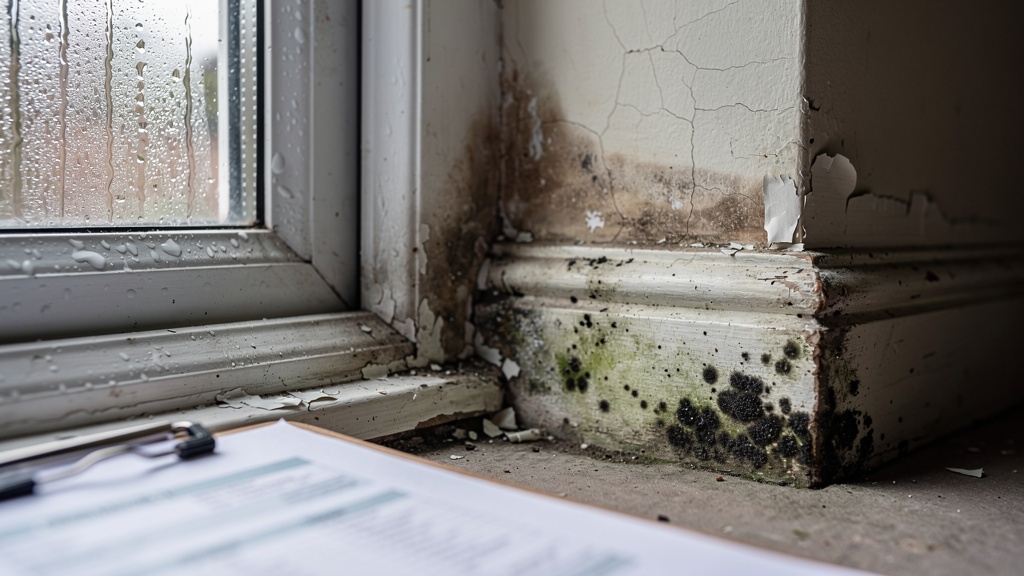
This is by far the most common form of damp in UK properties, and it's often misdiagnosed as rising or penetrating damp. Condensation occurs when warm, moist air meets a cold surface and deposits moisture. You'll typically see it as mould growth in corners, on cold walls, around window frames and in poorly ventilated rooms — particularly bathrooms and kitchens.
Condensation is a lifestyle issue as much as a building defect. It's most prevalent in occupied properties where cooking, bathing and breathing generate high levels of moisture. In many cases, improved ventilation, insulation and heating patterns will resolve it entirely.
Cost to remedy: Often very low — from free (improving ventilation habits) to a few hundred pounds for a positive pressure ventilation system.
2. Rising Damp
Rising damp is caused by ground moisture wicking up through the masonry of a wall via capillary action. It occurs when the damp-proof course (DPC) — the horizontal layer of impermeable material built into the wall — is absent, defective or bridged.
True rising damp is actually less common than is often claimed. Many "rising damp" diagnoses by damp treatment companies turn out on closer examination to be condensation or penetrating damp. However, in Coventry's Victorian and Edwardian terraces — many of which were built with original bitumen DPCs that have now deteriorated — genuine rising damp does occur.
Rising damp typically shows as a tide mark on internal walls at low level (usually no higher than about a metre), with salt staining, blown plaster and damp patches. It can also be detected using a calibrated moisture meter.
Cost to remedy: £500–£3,000+ depending on the extent and remediation method chosen.
3. Penetrating Damp
Penetrating damp occurs when water enters through defects in the external envelope of the building — failed pointing, cracked render, blocked gutters, defective flashing, deteriorating window seals and so on. It can appear at any level on a wall and is typically more widespread than rising damp.
In my experience, penetrating damp is the most serious form and is often associated with wider maintenance failures in a property. A property with extensive penetrating damp has often been poorly maintained for some years — which may indicate other issues too.
Cost to remedy: Highly variable — from £200 to clear a blocked gutter, to £5,000+ for extensive repointing and render repairs.
"The survey flagged damp in our prospective Leamington Spa purchase. I was worried we'd have to pull out. Sarah explained it was condensation from a previous occupant who'd blocked up the fireplace, and was completely fixable. We went ahead — and the house has been perfectly dry ever since."
— Mark and Cathy S., Leamington Spa
What Will the Survey Say About Damp?
In a Level 2 homebuyer survey, damp is reported using the condition rating system (1–3) and the surveyor will note the location, suspected type and recommended action. In a Level 3 building survey, damp findings are reported in much more detail, with narrative commentary on the likely cause and specific remediation recommendations.
It's worth noting that surveys are visual inspections — we use a moisture meter and our professional judgement, but we don't open up walls or carry out invasive investigation. If the survey identifies significant damp, we may recommend a specialist damp survey for a more definitive diagnosis before you exchange contracts.
Can Damp Kill Your Purchase?
Rarely — but it can and should affect your negotiation. Here's a sensible approach when damp is flagged in your survey:
- Read the survey report carefully — is this a Condition 2 (monitor) or Condition 3 (urgent)?
- Speak to your surveyor to understand the type of damp and likely remediation cost
- Get a specialist damp report if recommended
- Use the findings to negotiate a price reduction or request the seller carries out remediation before exchange
- Factor any residual risk into your decision
Surveyor's Tip: Beware of "Freshly Decorated" Properties
One of the things I always watch out for when surveying Coventry properties is fresh redecoration that might be concealing damp. If a house has been recently painted with brilliant white emulsion in unusual places — particularly low on walls or in corners — it's worth looking closely with a moisture meter. Ethical sellers declare damp; others may try to paint over it. A good survey will find it either way.
Damp in Older Coventry Properties
Many of Coventry's most sought-after properties are Victorian and Edwardian terraces — beautifully built, full of character, but often with damp challenges due to their age. Solid wall construction (without a cavity) is inherently less waterproof than modern cavity wall construction, and the original DPCs in many of these properties are 100+ years old.
If you're buying an older property in areas like Earlsdon, Chapelfields, Hillfields or Spon End, I'd always recommend a Level 3 building survey that gives our surveyors the space to document damp findings in detail and recommend appropriate remediation.
See our related guides: Level 2 vs Level 3 survey | Buying a Victorian property in Coventry | Using your survey to negotiate