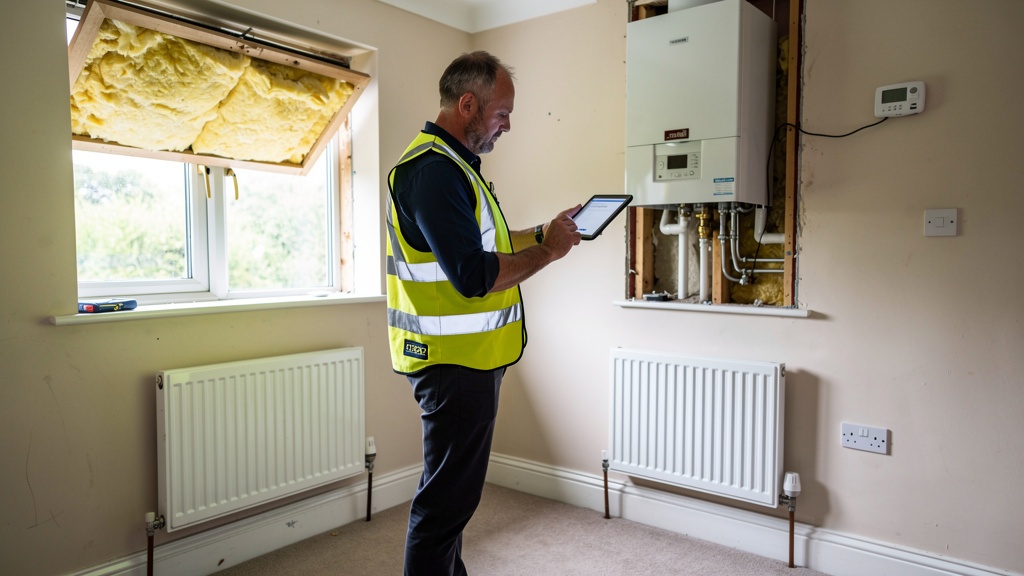
Here's a fact that many property buyers in Coventry don't know: your survey report can be one of your most powerful negotiating tools. When our chartered surveyors identify defects, repair needs or risks in a property, those findings aren't just information — they're leverage.
I've seen clients use our survey reports to negotiate price reductions of anywhere from £2,000 to £22,000. One buyer in Rugby saved more than eight times the cost of his survey in negotiated reductions. Here's how to do it properly.

Step 1: Understand What Your Survey Is Telling You
Before you start negotiating, make sure you understand what the survey is actually saying. A Condition 2 item (requires monitoring or maintenance) is not the same as a Condition 3 (urgent action needed). Only Condition 3 items and significant Condition 2 items justify a renegotiation approach.
Use your free post-survey consultation call with your surveyor to go through the key findings and understand:
- Which defects are significant vs routine maintenance
- What remediation each defect requires
- What the approximate costs are (your Level 3 report should include cost guidance)
- Whether specialist reports are needed before you can quantify the issue
Step 2: Get Specialist Quotes if Needed
For significant issues — particularly structural problems, serious damp or roof replacement — it strengthens your negotiating position enormously to have actual contractor quotes rather than just the surveyor's indicative figures. Approach two or three local contractors and ask for estimates. This gives you concrete numbers to present to the seller.
Step 3: Make a Calm, Rational Approach
How you approach the negotiation matters almost as much as what you're negotiating. Here's what works:
- Go through the estate agent — don't approach the seller directly
- Cite specific survey findings — "Our Level 3 building survey identified X, Y and Z. We've obtained quotes and the remediation cost is approximately £8,500."
- Make a specific counter-offer — rather than asking the seller to "fix the price," propose a specific revised figure
- Stay calm and professional — emotional negotiations rarely end well for buyers
"The survey found significant roof issues — the surveyor estimated £6,000–£8,000 to replace the front slope. We asked for £7,500 off the asking price. The seller came back at £5,000. We met in the middle at £6,250. That paid for the survey thirty times over."
— Dan and Bex F., Warwick
What If the Seller Refuses to Negotiate?
Sellers sometimes refuse to reduce the price after a survey. You then have a choice:
- Proceed at the original price (only if you believe the issues are manageable and priced in)
- Request the seller carries out specific remediation works before exchange
- Walk away — you've lost legal fees but protected yourself from a much bigger problem
In most cases in the Coventry market, sellers will negotiate when presented with documented evidence of significant defects. The key is having a well-written, professionally credible survey report — which is exactly what our RICS chartered surveyors produce.
What Makes a Good Negotiating Survey Report?
The most effective survey reports for negotiation purposes are those that: clearly describe each defect; explain why it's a problem; include indicative repair costs; and are written in plain English that a seller, estate agent or solicitor can understand. Our reports are specifically written with this in mind.
A Note on Survey Findings vs Down-Valuations
A survey finding is different from a mortgage down-valuation. If your lender's surveyor values the property at less than the agreed price, your lender may refuse to lend the full amount — which forces a negotiation on those grounds. A survey finding, on the other hand, relates to the condition of the property. Both give grounds for renegotiation, but through different channels.
Related reading: Which survey do you need? | First-time buyer survey guide | Damp in your survey