Victorian properties are everywhere in Coventry — and for good reason. The terraces in Earlsdon, Chapelfields, Spon End and Hillfields offer beautiful period features, generous room sizes and fantastic character that modern new-builds simply can't replicate. I've surveyed hundreds of them, and I genuinely love working on them.
But I'll be honest with you: Victorian properties are not for the faint-hearted. They're complex buildings — built to different standards, using different materials and construction techniques — and they almost always have quirks and issues that a modern property simply wouldn't have. That's not a reason not to buy one. It's a reason to go in with your eyes wide open, armed with a thorough property survey.
What Makes Victorian Properties Different?
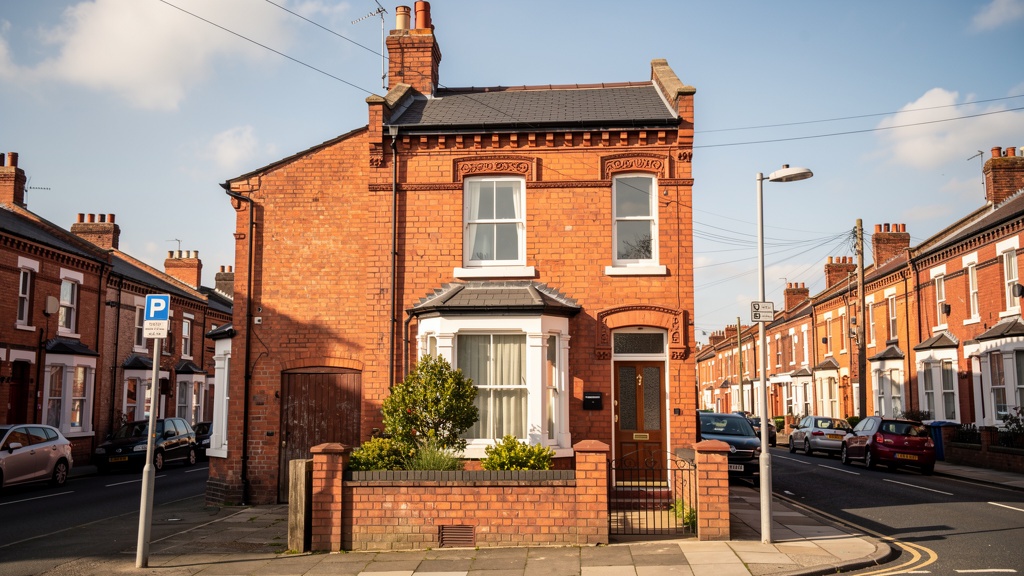
Victorian houses (broadly, those built between 1837 and 1901) were constructed using techniques and materials that differ significantly from anything built today:
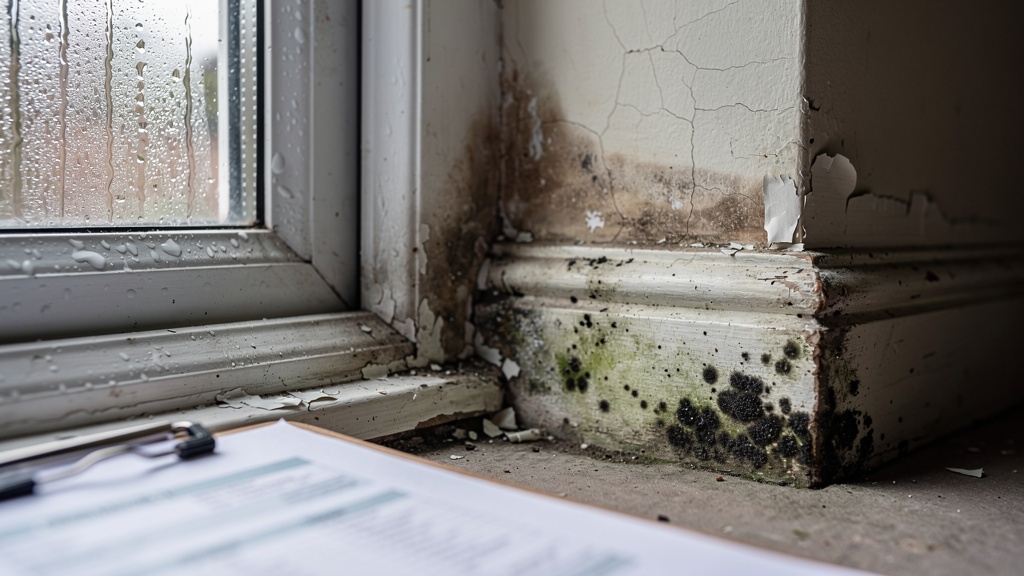
- Solid wall construction: Victorian external walls are typically solid brick — no cavity. This means they're inherently less waterproof than modern cavity wall construction and more susceptible to penetrating damp.
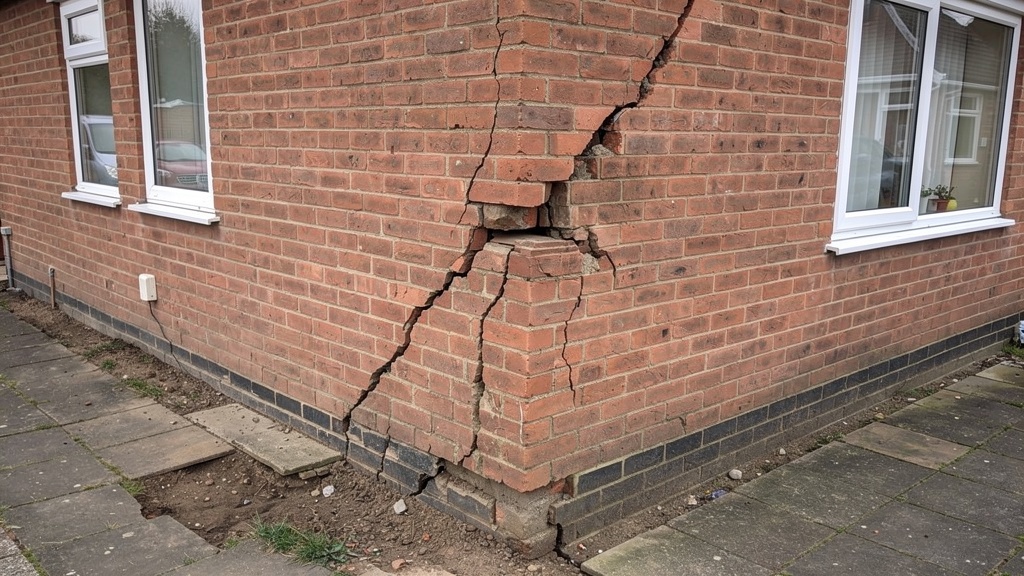
- Shallow foundations: Victorian foundations were typically much shallower than modern standards require — usually just a widened section of brickwork rather than engineered concrete footings. On clay soils, this makes them more susceptible to movement.
- Older damp-proof courses: Many Victorian properties were built with slate DPCs or engineering brick DPCs that are now well over 100 years old. Some properties had no DPC at all.
- Original services: Lead water pipes, older fuse boxes, original sash windows — all of these may be present in unmodernised properties.
- Previous modifications: 100+ years of modifications, extensions, DIY repairs and alterations — of wildly varying quality.
The Top Issues Our Surveyors Find in Coventry Victorian Properties
Based on our surveys across Coventry's Victorian housing stock, here are the most commonly found issues:
1. Damp (particularly rising and penetrating)
By far the most common finding in Victorian surveys. Solid walls are much more susceptible to penetrating damp than cavity walls, and original DPCs deteriorate over time. See our full guide on damp in property surveys.
2. Structural Movement
Diagonal cracking from corners of windows and doors is extremely common in Victorian Coventry properties. Much of it is minor and historic — but some indicates active movement that requires investigation. Subsidence is more common in pre-1920 properties than in modern construction.
3. Roofing Issues
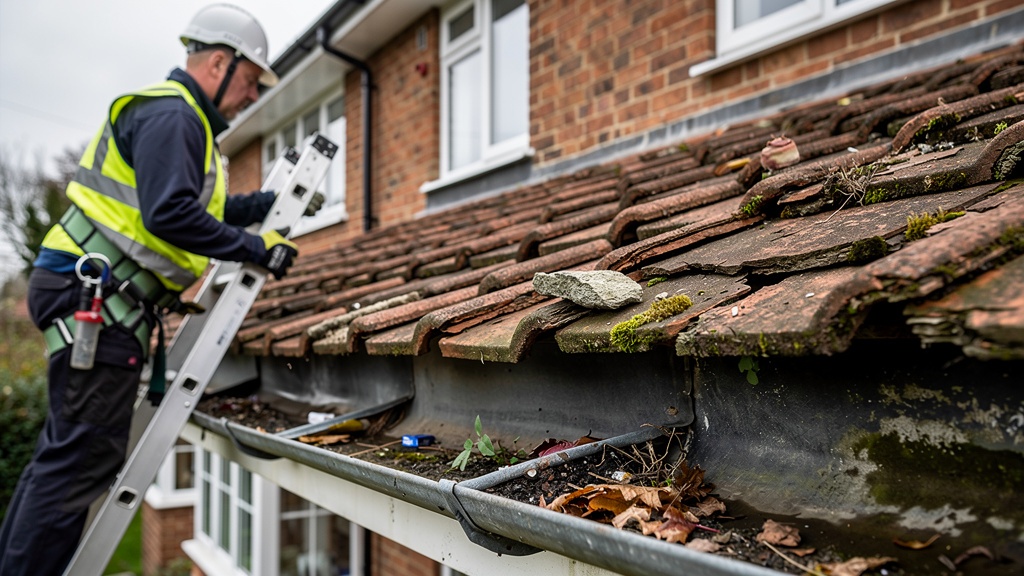
Original Welsh slate roofs — which are common in Coventry's Victorian terraces — can have a very long service life if well-maintained. But many are now 100+ years old and approaching the end of their useful lives. Missing or slipping slates, failed pointing to ridge tiles and deteriorating hip flashings are all common findings.
4. Bay Windows
Bay windows are both a beautiful feature and a common headache. The roof of a bay window is a notoriously vulnerable area: lead flashings deteriorate, bay roofing felt lifts, and the lateral thrust from the bay roof can cause the front wall to spread if not properly restrained. I've found this issue in perhaps 30% of Victorian Coventry terraces I've surveyed.
5. Chimney Stacks
Victorian properties typically have multiple chimney stacks. Those that have been sealed or capped can suffer from internal damp due to condensation. Those still in use need regular maintenance — particularly the flashings at the base of the stack where it meets the roof covering.
6. Old Wiring and Plumbing
Older electrical installations and plumbing systems are common in Victorian properties. Lead pipework is a particular concern — it's associated with health risks and typically needs replacing as a priority. We'll flag these in our survey report and recommend appropriate specialist investigation.
"Sarah surveyed our Earlsdon Victorian terrace and her knowledge of period properties was genuinely exceptional. She understood the building in a way that other surveyors we'd spoken to simply didn't. Her report was thorough, clear and incredibly helpful for our negotiations."
— Anna and Pete L., Earlsdon, Coventry
Should I Get a Level 2 or Level 3 for a Victorian Property?
In my honest opinion, as a surveyor who has worked extensively with Victorian properties across Coventry and Warwickshire: get a Level 3. Always.
A Level 2 homebuyer survey will identify visible defects and give you condition ratings. But a Victorian terrace — with its 100+ year building history, solid wall construction, original DPC and shallow foundations — deserves the depth of investigation that only a Level 3 building survey provides. The extra cost is typically £150–£200 above a Level 2. Given the complexity of these properties, that's an easy investment to justify.
Five Questions to Ask at the Viewing of a Victorian Property
- Has the property ever had damp treatment? If so, when and by whom?
- When was the roof last repaired or re-slated?
- Are there any trees close to the property that have been removed in recent years?
- Has the property ever had a structural movement or insurance claim?
- What condition are the original windows in, and have any been replaced?
Victorian Properties Are Worth It
Let me be clear: despite all of the above, Victorian terraces in Coventry represent some of the best value property in the UK. They're beautiful, characterful, often have larger rooms than equivalent-priced modern properties, and tend to hold their value well. With the right survey, the right negotiations and the right budget for ongoing maintenance, they make wonderful homes.
The key is going in with your eyes open. That's exactly what our Level 3 surveys are designed to give you.
Related reading: Level 3 building survey guide | Damp in property surveys | Subsidence guide