If you're considering a Level 3 building survey for your Coventry property purchase, you probably want to know exactly what you're getting for your money. As a chartered building surveyor who carries out Level 3 surveys across Coventry and Warwickshire every week, let me give you a genuinely detailed answer.
The short version: a Level 3 survey is the most thorough residential property inspection available. It covers everything a Level 2 covers — and then goes significantly further. Here's what that looks like in practice.
What Gets Inspected in a Level 3 Survey?
A Level 3 building survey covers every accessible element of the building structure and fabric. That includes:
External Elements
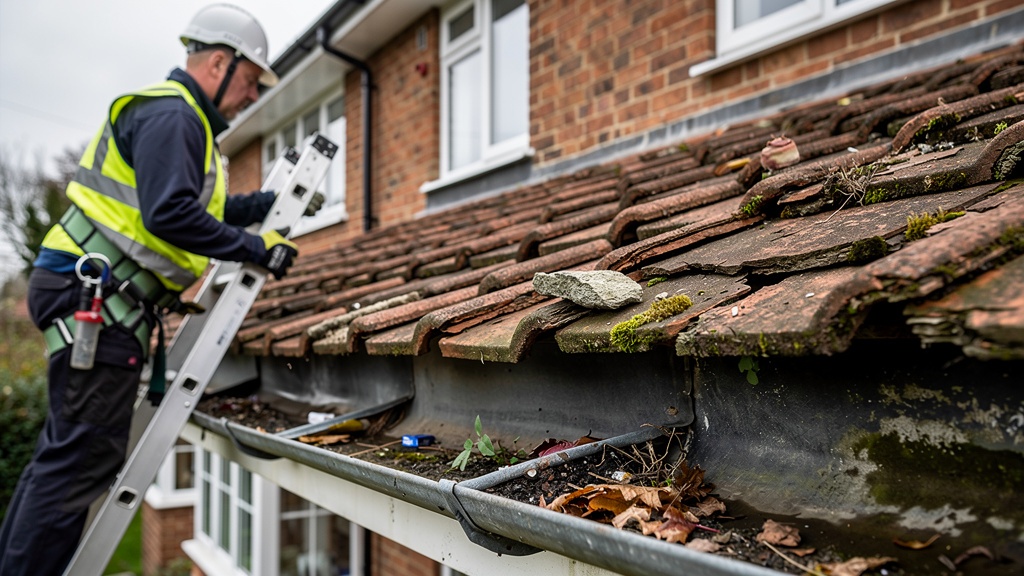
- Roof coverings: tiles, slates, flat roof membranes, ridge tiles, verges and eaves
- Roof drainage: gutters, downpipes, hoppers and underground drainage connections
- Chimney stacks: condition of brickwork, pointing, flashing, pots and liners
- External walls: masonry condition, pointing, render, cladding, damp-proof course
- Windows and external doors: frames, seals, glazing, sills and lintels
- Extensions and outbuildings: condition and construction of any additions
- Boundary walls, paths and drives: condition and any relevant issues
Internal Elements
- Roof structure: accessed via loft hatch — condition of rafters, joists, purlins, bracing
- Ceilings and walls: condition, movement, damp, plasterwork
- Floors: condition of all accessible floor types; ground floor void where accessible
- Fireplaces and flues: condition and safety
- Internal joinery: stairs, balustrades, skirtings, window boards
- Dampness investigation: systematic moisture meter readings throughout
- Services: visual inspection of electrical, heating, plumbing and drainage installations
What's Different About a Level 3 vs a Level 2?
The key differences are depth and detail:
- Where a Level 2 gives a condition rating (1–3) for each element, a Level 3 gives a detailed narrative description
- Where a Level 2 notes visible damp, a Level 3 investigates the cause and recommends specific remediation
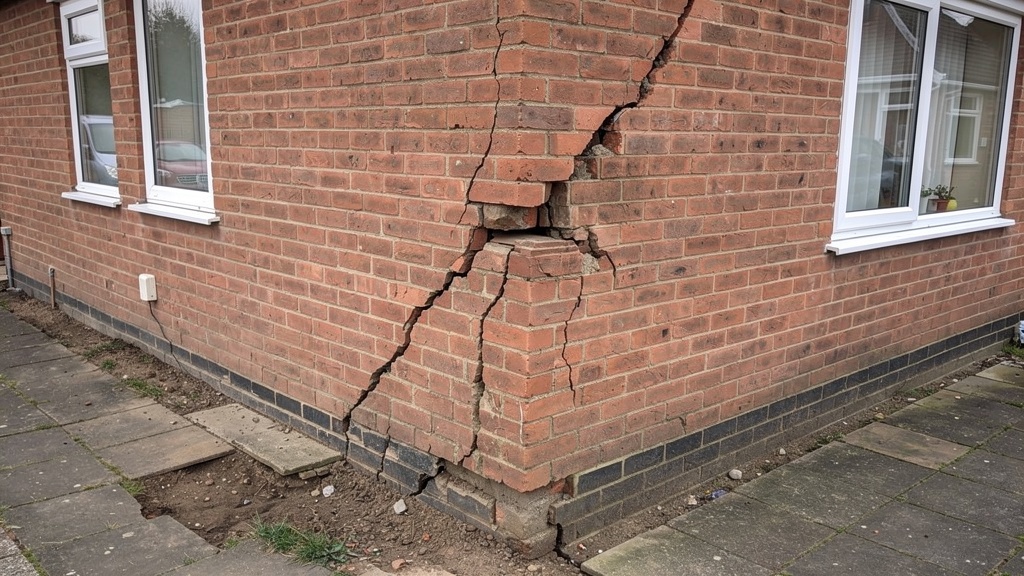
- Where a Level 2 flags a crack, a Level 3 analyses the type, probable cause, severity and whether it indicates structural movement
- A Level 3 includes repair recommendations and indicative cost guidance for identified defects
- A Level 3 may include advice on construction type, materials, maintenance requirements and future risks
How Long Does a Level 3 Survey Take?
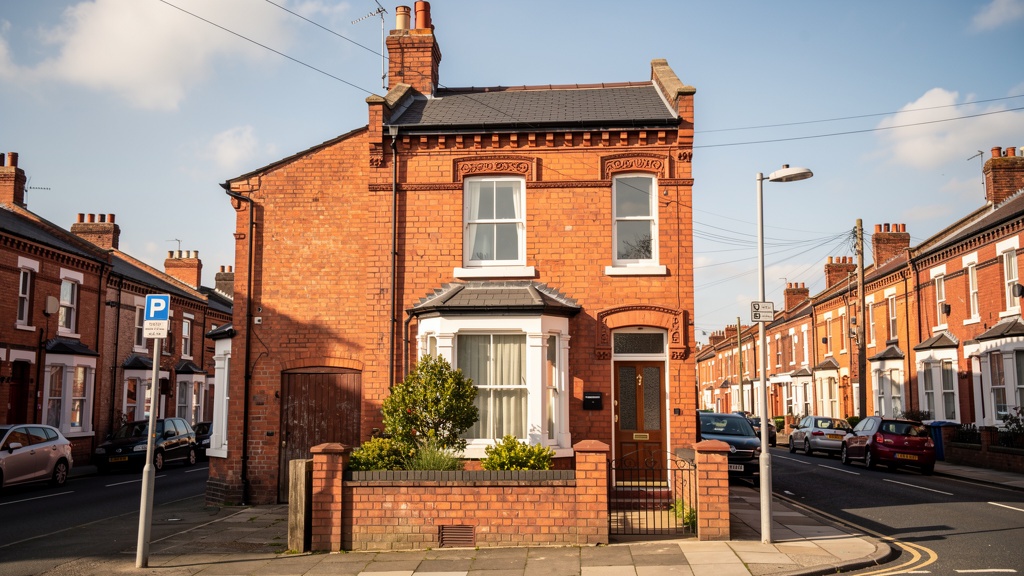
On a typical three-bedroom Victorian terrace in Coventry, a Level 3 survey will take around 3–4 hours. On a larger property — say a four or five-bedroom detached house in Kenilworth — it might be 5–6 hours. I never rush a Level 3 survey. Finding hidden defects takes time, and the whole point of a Level 3 is thoroughness.
A Real-World Level 3 Example: Rugby
Earlier this year I carried out a Level 3 survey on a Victorian semi-detached in Rugby, listed at £285,000. On the face of it, the house presented very well — fresh decoration, updated kitchen, new windows. But our survey identified:
- Significant lateral spread of the front bay window — caused by inadequate restraint of the bay roof
- Evidence of historic penetrating damp concealed by fresh plaster and paint in two bedrooms
- Partial roof structure deterioration in the loft space, not visible from outside
- Failing pointing to rear elevation requiring extensive repointing
Total estimated remediation cost: £14,500–£18,000. The buyer used the report to negotiate a £13,000 price reduction and proceeded with confidence, knowing exactly what work was required.
"Marcus spent five hours at the property. His report was 47 pages long. He found issues that would have cost us nearly £15,000 that we knew nothing about. Worth every single penny."
— Gareth and Louise T., Rugby
When Should You Instruct a Level 3 Survey?
A Level 3 building survey is the right choice whenever the property presents higher-than-average risk. As a general rule, instruct a Level 3 for:
- Any property built before 1920 — especially Victorian and Edwardian
- Listed buildings and those in conservation areas
- Properties with significant extensions, conversions or alterations
- Any property where you noticed cracks, damp or structural concerns on your viewing
- Large or expensive properties where the financial risk justifies maximum protection
- Non-standard construction (timber frame, stone, concrete)
Related reading: Level 2 vs Level 3 comparison | Subsidence in Coventry | Victorian properties guide