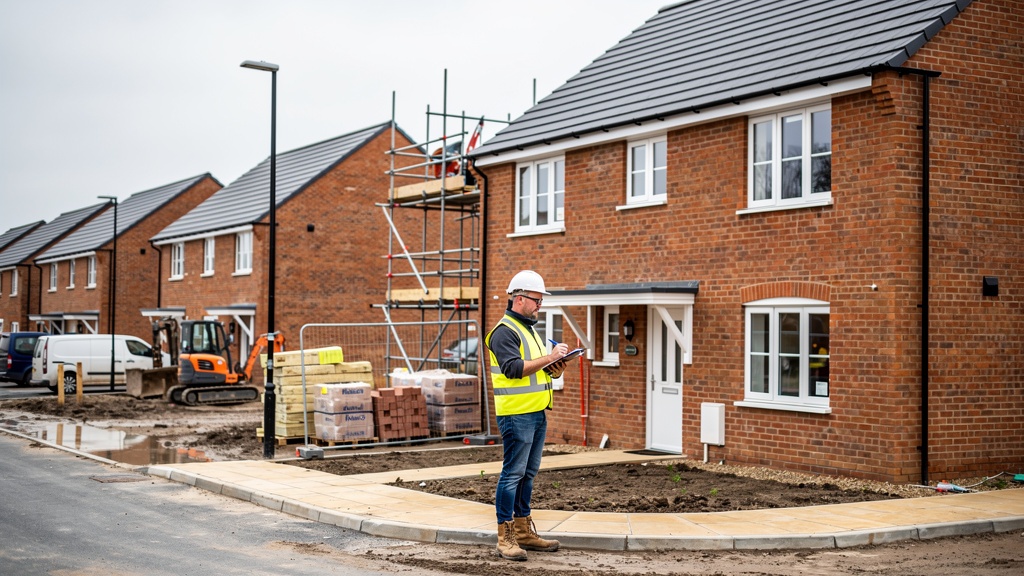
Many buyers assume that because a property is brand new, it doesn't need a survey. This is one of the most common — and costly — mistakes in residential property purchasing. New build homes have defects too, and without an independent inspection by a chartered surveyor, you could be moving into a property with dozens of hidden snags that the developer is hoping you won't notice.
The Myth of the Perfect New Build
There's a reassuring idea that new build homes are freshly constructed to modern standards, fully compliant with Building Regulations, and backed by solid warranties. While all of that can be true, the reality on the ground is often rather different.
The UK's new build industry has faced significant criticism over build quality in recent years. Consumer groups regularly report that new build buyers encounter dozens — sometimes hundreds — of defects after moving in, ranging from cosmetic issues like uneven plastering to serious structural concerns including faulty drainage, inadequate insulation, and roof defects.
A study by the HomeOwners Alliance found that 93% of new build buyers reported snagging issues after moving in. The question isn't whether your new build has defects — it almost certainly does — but whether you identify and address them before you move in.
What Is a New Build Snagging Survey?
A snagging survey is a detailed inspection of a newly built property, carried out by an independent chartered surveyor before you complete your purchase or within the first two years of ownership. The surveyor inspects every accessible element of the property, from the roof space and foundations to the quality of finishing work and compliance with Building Regulations.
The output is a comprehensive snagging list — a written record of every defect found, from the serious to the cosmetic. This report is then presented to the developer, who is legally obliged to address the issues under the terms of the NHBC Buildmark warranty (or equivalent).
What Does a Snagging Survey Cover?
A professional snagging survey by our Coventry Surveyor team covers:
- Structural integrity: Walls, floors, ceilings, and roof structure checked for cracks, movement, or inadequate construction.
- Roof and roof space: Full inspection of the loft space for insulation coverage, structural timbers, and any signs of moisture ingress.
- External fabric: Brickwork, pointing, windows, doors, render and external finishes inspected for defects.
- Drainage and gutters: All external drainage checked for correct falls, proper connections, and absence of blockages.
- Internal finishing: All internal plastering, joinery, tiling, and decorating checked against acceptable tolerance standards.
- Services and installations: Visual check of plumbing, heating, electrical fittings, and ventilation — including testing of smoke alarms, extractors, and heating controls.
- Building Regulations compliance: Checks to ensure the property has been built in accordance with all relevant Regulations, including Part L (energy), Part F (ventilation), and Part M (accessibility).
The NHBC Warranty — And Its Limits
Most new build homes in the UK come with an NHBC Buildmark warranty, which provides a 10-year guarantee against major structural defects and a 2-year developer liability period for general defects. This sounds reassuring, but it has important limitations.
First, the NHBC warranty only covers defects that weren't identified and reported within the relevant timeframe. If you don't notice an issue until year three, you may find it falls outside the two-year defect liability period — and that you need to argue the case under the structural warranty provisions instead.
Second, the NHBC is primarily a warranty provider, not a consumer advocate. Having an independent snagging report from a professional chartered surveyor provides you with much stronger leverage when dealing with the developer than simply relying on NHBC inspection records.
When to Commission a Snagging Survey
The best time to commission a snagging survey is before legal completion — ideally in the final week before you exchange contracts. At this point, the developer still has financial incentive to fix issues quickly, and any major defects discovered can still influence the transaction.
However, even if you've already moved in, it's not too late. Developers are obliged to address defects reported within the two-year liability period. A professional snagging survey in the first few months of ownership can still produce a comprehensive list that the developer must action.
New Builds in Coventry and Warwickshire
There are several significant new build developments currently under way or recently completed across Coventry and the wider Warwickshire area, including large-scale residential schemes in areas such as Keresley, Eastern Green, and the outskirts of Rugby and Nuneaton. Our team carries out snagging surveys on all of these developments.
We are familiar with the typical standards and common recurring defects associated with the major developers active in this area. This local knowledge means our inspections are thorough, targeted, and efficient — and our reports are written in a way that makes the developer's obligations crystal clear.
How Much Does a New Build Snagging Survey Cost?
A professional snagging survey from Coventry Surveyor typically costs between £300 and £500 depending on the size and type of the property. For a new build home costing £250,000 or more, this represents an extremely small percentage of the purchase price — yet the typical value of defects identified and rectified on the back of a professional snagging report often runs to several thousand pounds.
Many of our clients have had conservatories re-tiled, drainage systems corrected, heating systems properly balanced, and major roof space insulation deficiencies rectified — all at the developer's cost — as a direct result of our snagging reports.
Frequently Asked Questions
Can the developer refuse to let a surveyor inspect before completion?
Developers can limit access before legal completion, but they cannot prohibit you from instructing an independent surveyor. You do need to request access formally, and some developers will only allow access after you've exchanged contracts. We can advise you on the best approach for your specific development.
What's the difference between a snagging survey and an NHBC inspection?
An NHBC inspection is carried out on the developer's behalf to confirm the property meets NHBC build standards. A snagging survey is carried out on your behalf by an independent, RICS-accredited chartered surveyor. These are very different things — our loyalties are entirely to you, not to the developer.
Is a snagging survey different from a Level 2 or Level 3 survey?
Yes. A snagging survey is specifically designed for new build properties and focuses on build quality and finishing standards. A Level 2 or Level 3 survey is more appropriate for older, existing properties. For a new build, we recommend a dedicated snagging inspection.
Can I do a snagging inspection myself?
You can certainly walk around the property with a checklist, but a professional chartered surveyor will identify issues you would never see — particularly in the roof space, within the structure, and in relation to Building Regulations compliance. Professional reports also carry far more weight with developers than buyer-compiled lists.
Buying a New Build in Coventry or Warwickshire?
Protect your investment with an independent snagging survey from our experienced RICS chartered surveyors. Get a free, no-obligation quote today.
Get a Free Quote